AI Image Generation: Strategies for Modern Marketers
Master AI image generation for your marketing campaigns and learn how to create stunning visual content that drives engagement and conversions.

The AI Image Generation Revolution
Visual content is the cornerstone of modern marketing. Research consistently shows that posts with images receive 2.3x more engagement than those without. Product pages with high-quality imagery convert at significantly higher rates. And in advertising, creative quality is the single biggest driver of campaign performance.
Yet producing high-quality visual content at scale has traditionally been expensive and time-consuming. Professional photography sessions can cost thousands of dollars. Graphic design requires skilled talent and significant time investment. The result is that most brands are severely under-producing visual content relative to what they need.
AI image generation is democratizing access to professional-quality visuals. Tools like DALL-E, Midjourney, and Stable Diffusion can now generate stunning images in seconds. For marketers, this represents a fundamental shift in what is possible.
Understanding AI Image Generation
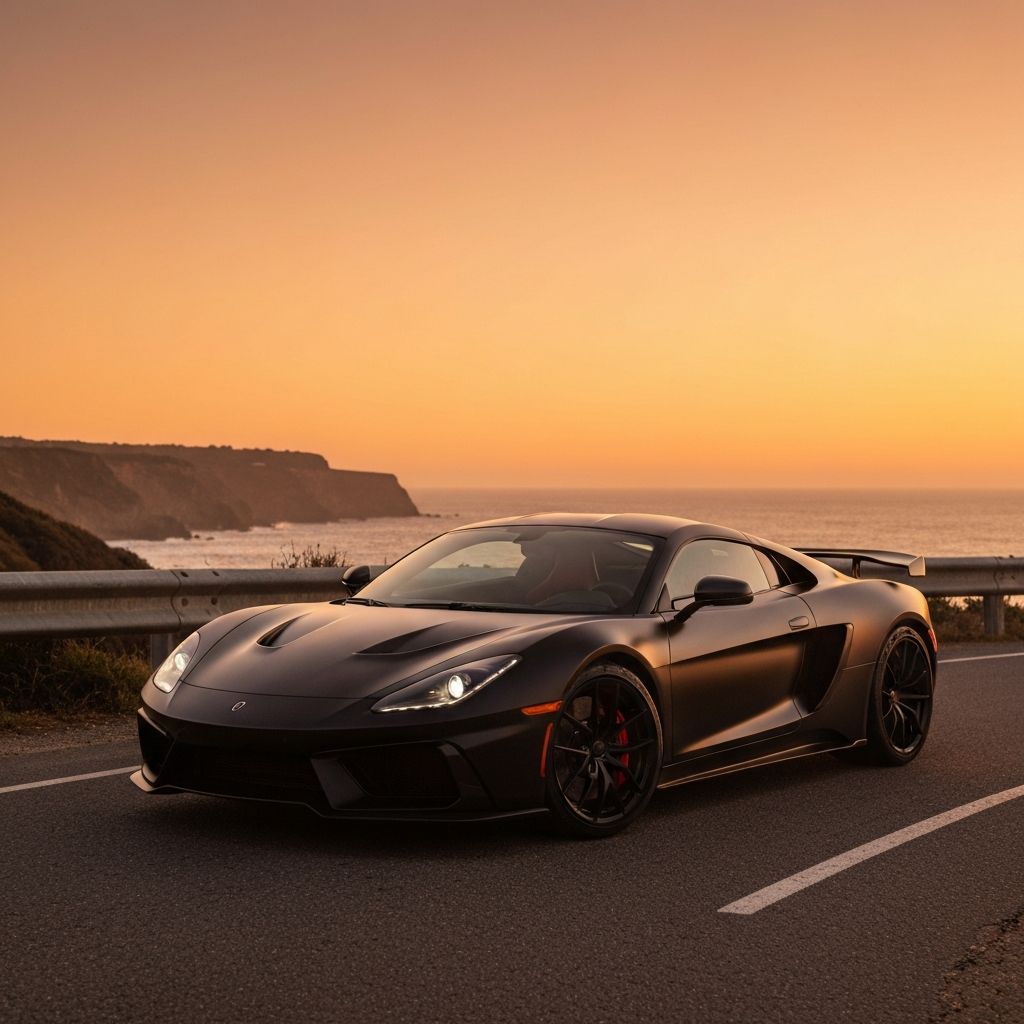
Modern AI image generators use diffusion models—neural networks trained on billions of images to understand the relationships between text descriptions and visual content. When you provide a prompt, these models generate images by starting with noise and iteratively refining it toward an image that matches your description.
The quality of these models has improved dramatically. Current generations can produce images that are often indistinguishable from photographs. They understand concepts like lighting, composition, style, and mood. They can generate in specific artistic styles or match the aesthetic of reference images.
For marketers, the practical implication is that you can now create professional visual content with just a text description. The barrier between idea and execution has essentially been removed.
High-Impact Use Cases for Marketing
Product Photography
AI can generate professional product shots with perfect lighting, appealing backgrounds, and multiple angles. This is transformative for e-commerce brands that need to showcase large catalogs. Instead of expensive photo shoots for each SKU, you can generate consistent, high-quality imagery at scale.
The technique works particularly well for products that can be photographed in isolation. Upload a basic product image, then use AI to generate it in various settings, lighting conditions, and compositions. A single product can be shown in dozens of contexts without additional photography.
Lifestyle and Contextual Imagery
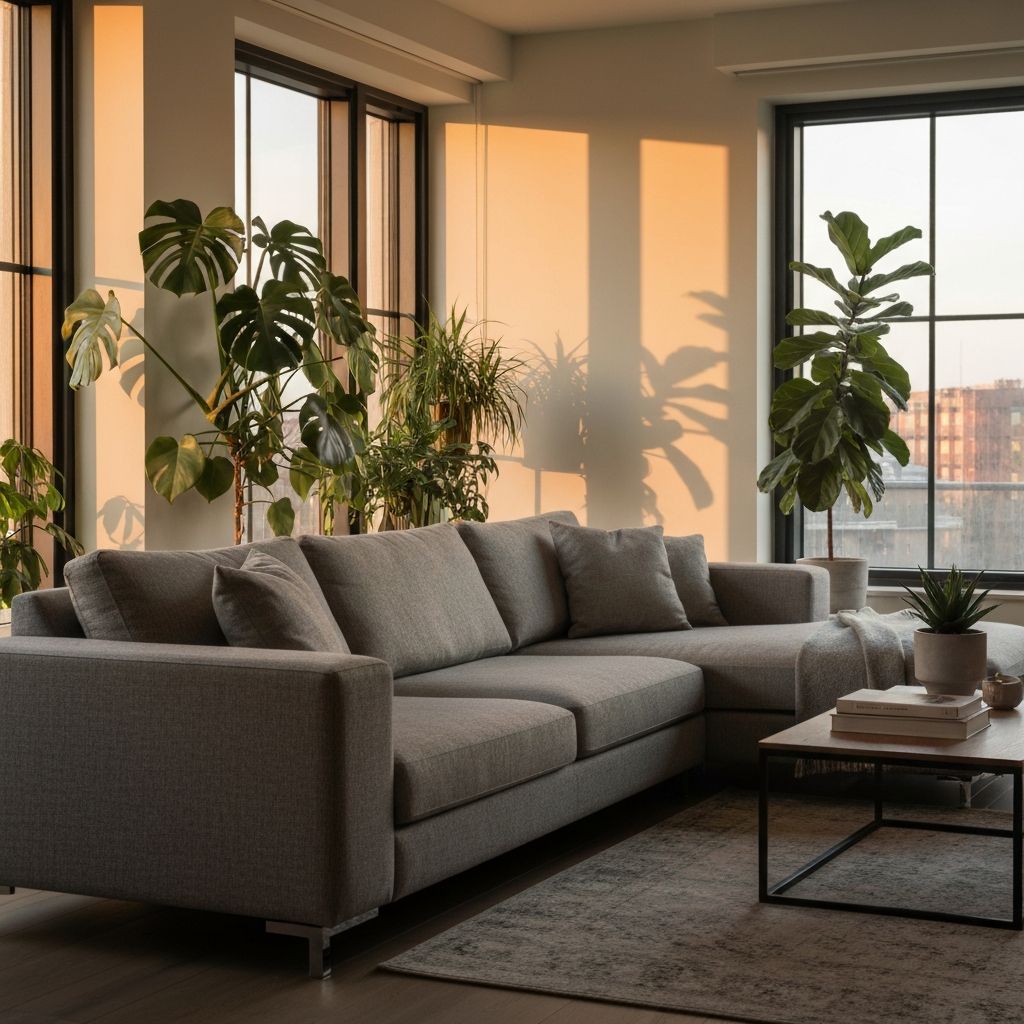
Show your products in real-world contexts without organizing complex photo shoots. AI can place products in various settings and scenarios, helping customers visualize how they will use them. A furniture brand might show pieces in dozens of different room styles. A fashion brand might place items in various lifestyle contexts.
This contextual imagery is particularly valuable for advertising, where you need to match creative to specific audiences. Instead of one lifestyle shot, generate variations that resonate with different demographics, interests, or geographic regions.
Social Media Graphics
Maintain a consistent posting schedule with a steady stream of engaging visuals. AI enables you to create platform-optimized content for Instagram, LinkedIn, Twitter, Pinterest, and other channels without the traditional creative bottleneck.
The speed of AI generation enables genuine experimentation on social. Instead of defaulting to safe templates, you can test bold visual approaches with minimal risk. Generate ten variations of a concept, test them, and learn what resonates with your audience.
Advertising Creatives
Performance marketing thrives on creative testing. AI makes it easy to generate multiple ad variations testing different visual approaches, color schemes, imagery styles, and compositions. The data from these tests reveals what actually drives performance rather than relying on intuition alone.
Leading advertisers are generating 50+ image variations per campaign, systematically testing different approaches. This volume of testing was previously impossible due to production constraints. Now it is standard practice for sophisticated marketing teams.
Blog and Editorial Imagery
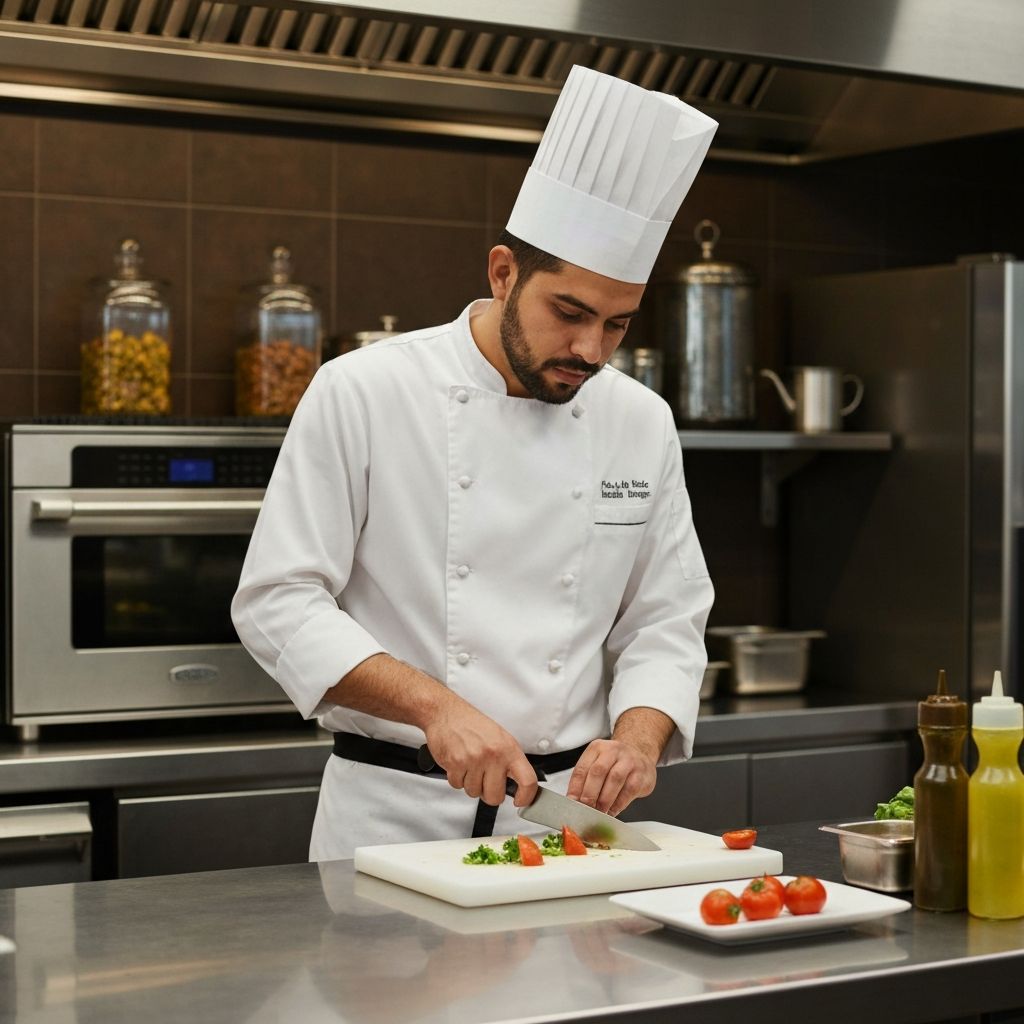
Content marketing requires a constant supply of supporting visuals. AI can generate custom imagery for blog posts, articles, newsletters, and other editorial content. Instead of relying on generic stock photos, create images specifically designed to support your content.
Custom AI imagery gives your content a distinctive look that stock photography cannot match. Competitors using the same stock images blend together; custom visuals help your content stand out and reinforce brand recognition.
Mastering AI Image Generation
The Art of Prompt Engineering
The quality of AI-generated images depends heavily on how you describe what you want. Effective prompts are specific, detailed, and include references to photography or artistic techniques. This is a skill that improves with practice.
Structure your prompts to include: the subject (what you are depicting), the style (photography, illustration, 3D render), the mood (bright, moody, energetic), technical details (lighting, camera angle, depth of field), and quality modifiers (professional, high resolution, detailed).
For example, instead of "a coffee cup", try "professional product photography of a ceramic coffee cup with latte art, soft morning light from left, shallow depth of field, minimal Scandinavian kitchen background, warm color palette, 85mm lens aesthetic."
Building a Prompt Library
Document prompts that produce excellent results. Over time, build a library of proven prompts for different content types and use cases. These templates accelerate production and ensure consistency across your visual content.
Organize your library by content type: product photography prompts, lifestyle imagery prompts, social media graphics prompts, and so on. Include notes on what works and what to avoid for each category.
Style Consistency
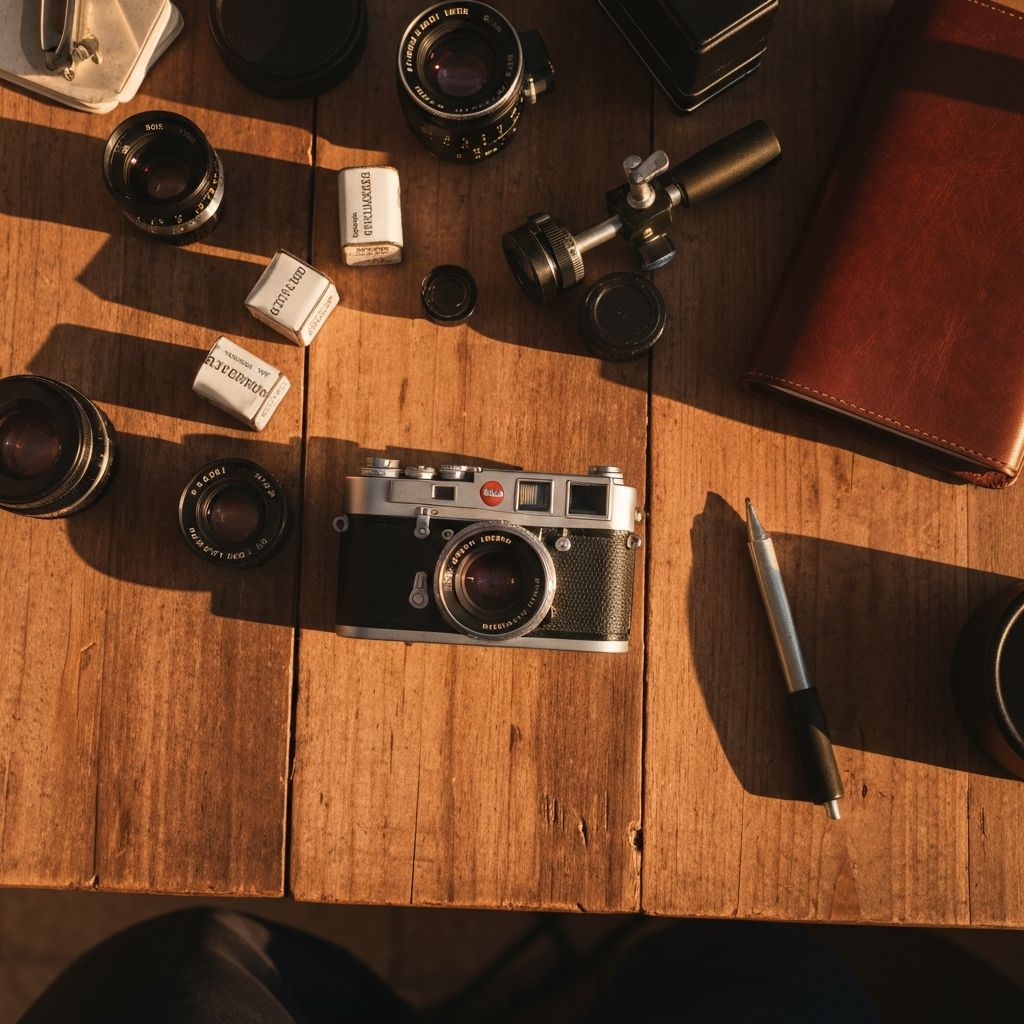
Maintaining visual consistency across AI-generated content requires deliberate effort. Define your brand's visual parameters: color palette, lighting style, composition preferences, and overall aesthetic. Include these parameters in every prompt.
Many AI tools allow you to use reference images to guide style. Upload examples of imagery that matches your brand aesthetic, then use those as style references for new generations. This ensures that all output aligns with your visual identity.
Iteration and Refinement
Rarely does the first generation perfectly match your vision. Plan for iteration. Generate initial concepts, identify what works and what does not, refine your prompts accordingly, then generate again. Each iteration gets closer to your ideal output.
Use tools that allow inpainting (editing specific areas of an image) and outpainting (extending an image beyond its borders). These capabilities let you refine AI output without starting over, significantly speeding up the path to final imagery.
Integrating AI Images into Your Workflow
Quality Assurance
Establish clear quality standards for AI-generated imagery. Define technical requirements (resolution, aspect ratio, file format) and aesthetic standards (alignment with brand guidelines, quality of composition, accuracy of subject matter).
Implement review processes to ensure AI output meets your standards before publication. While AI generation is fast, human judgment remains essential for ensuring quality and brand alignment.
Post-Processing
AI-generated images often benefit from light post-processing. Color correction can align output with your brand palette. Cropping optimizes composition for specific placements. Retouching addresses any artifacts or imperfections.
Build efficient post-processing workflows. Create Photoshop or Lightroom presets that quickly apply your brand's color treatment. Develop templates for common aspect ratios and placements.
Asset Management
As you generate more AI imagery, organization becomes critical. Implement asset management practices: consistent file naming, metadata tagging, and organized folder structures. This enables you to find and reuse imagery efficiently.
Tag images with the prompts used to generate them. This documentation enables you to recreate similar imagery in the future and helps you understand what approaches work best for different content types.
Measuring Impact
Track both efficiency and performance metrics. On the efficiency side: How much time does AI save compared to traditional production? What is the cost per image? How many images can you produce per week?
On the performance side: How does AI-generated imagery perform compared to traditional photography? Track engagement rates, click-through rates, and conversion metrics. Let data guide your understanding of when AI imagery works best.
You may find that AI imagery outperforms traditional content in some contexts while underperforming in others. Use this data to optimize your mix of AI and traditional production.
The Future of Visual Marketing
AI image generation is rapidly evolving. New models offer better quality, more control, and new capabilities. The gap between AI-generated and traditional photography continues to narrow. Staying current with these developments provides ongoing competitive advantage.
The marketers who master AI-powered visual content creation today will be best positioned to lead in the increasingly visual digital landscape of tomorrow. This is not a temporary trend—it is a fundamental shift in how visual content is created.
Continue Your Learning
Explore our other guides on AI content creation to build comprehensive expertise.